Eco-Friendly Pressure Cleaning: Methods That Save Water
Water is a precious resource across Western Sydney. Suburbs such as Parramatta, Penrith, Blacktown, Liverpool, Campbelltown and the Hills District regularly experience hot, dry summers, and Sydney Water's Water Wise Rules remain part of everyday life. Pressure cleaning is one of the most effective ways to restore driveways, patios, roofs and fences, but traditional methods can use a surprising amount of water. This guide explains how modern, eco-friendly techniques reduce water consumption while still delivering excellent results.
Why Water Efficiency Matters in Western Sydney
Western Sydney's climate is typically hotter and drier than the coast, with summer temperatures regularly exceeding 35°C. Households and businesses are increasingly aware of the cost and environmental impact of water use. Efficient cleaning practices help reduce utility bills, ease pressure on the local water supply, and protect nearby waterways such as the Hawkesbury-Nepean River system and Parramatta River from contaminated runoff.
A standard garden hose can use around 600 to 1,000 litres of water per hour. A poorly set-up pressure washer can use a similar volume or more, depending on the machine and nozzle. Choosing the right equipment and technique can cut that consumption substantially.
How Pressure Washers Save Water Compared to Hoses
Despite the name, pressure washers are often more water-efficient than hosing. They concentrate a small volume of water into a high-pressure jet, which dislodges dirt far more effectively than a free-flowing hose. Many domestic machines use roughly 7 to 9 litres per minute, while commercial units vary widely depending on their flow rate. The key is matching the machine to the job rather than simply using more water.
Understanding PSI and Flow Rate
Two figures matter when assessing a pressure cleaner: pressure (measured in PSI or bar) and flow rate (litres per minute). A machine with high pressure and moderate flow cleans efficiently without wasting water. Machines with excessive flow rates may clean faster in some situations but can use far more water overall if operated carelessly.
Choosing the Right Nozzle
Nozzle selection has a direct impact on water use. A narrow 15 or 25 degree nozzle concentrates the spray for stubborn stains on concrete, while a wider 40 degree nozzle is gentler and suited to delicate surfaces. Using the correct tip reduces the need for repeat passes, which saves both water and time.
Water-Saving Pressure Cleaning Methods
Turbo or Rotary Nozzles
Rotary (turbo) nozzles spin a pencil-point jet in a rapid circular pattern. This delivers the cleaning power of a narrow jet over a wider area, allowing operators to clean concrete, pavers and bricks more quickly with less water overall.
Surface Cleaners
A surface cleaner is a circular attachment with rotating arms and a protective hood. It cleans flat areas such as driveways, pool surrounds and patios evenly and quickly. The hood also limits overspray and splashing, which keeps more water on the surface being cleaned and reduces waste. Surface cleaners typically leave fewer streaks, so there is less need to redo sections.
Soft Washing for Roofs and Delicate Surfaces
Soft washing uses low pressure combined with a suitable cleaning solution to break down mould, algae, lichen and moss. Because the chemistry does most of the work, far less water and pressure are required. This method is widely recommended for Colorbond and tiled roofs, painted render, weatherboard and timber, where high pressure can cause damage. In humid pockets of Western Sydney, where mould and algae can build up in shaded areas, soft washing is often both the safest and most water-efficient option.
Hot Water Pressure Cleaning
Hot water units break down grease, oil and grime more efficiently than cold water. This is particularly useful for commercial kitchens, workshop floors, car parks and industrial sites around areas like Wetherill Park, Smithfield and Eastern Creek. Because heat loosens contaminants faster, less water and fewer passes are generally needed.
Water Recycling and Recovery Systems
Professional operators increasingly use water capture and recycling equipment. These systems include mats, vacuum recovery units and filtration setups that collect wastewater, filter out https://felixvhgd907.quantlynix.com/posts/complete-guide-to-removing-black-mould-from-exterior-house-siding solids and oils, and allow the water to be reused during the same job. Recycling is especially valuable on commercial sites, where it also helps meet environmental compliance requirements.
Eco-Friendly Cleaning Solutions
Water savings are only part of the picture. The detergents and treatments used during cleaning also matter, because runoff can flow into stormwater drains that lead directly to local creeks and rivers without treatment. Look for products that are:
- Biodegradable: formulated to break down naturally and reduce long-term environmental impact.
- Phosphate-free: phosphates contribute to algal blooms in waterways.
- Low in harsh solvents: plant-based or milder surfactants are gentler on gardens and lawns.
- Correctly diluted: using the recommended ratio avoids waste and limits chemical load.
Always pre-wet nearby plants and avoid letting detergent pool on garden beds. Where possible, direct wastewater onto lawn or garden areas only when the products used are safe for vegetation, or collect it for proper disposal.
Stormwater and Runoff Considerations
In New South Wales, it is an offence to allow pollutants to enter the stormwater system. Water containing detergents, oils, paint flakes, or heavy sediment should not be washed into gutters or drains. Professional pressure cleaning operators in Western Sydney are expected to manage wastewater responsibly, particularly on commercial and industrial properties. Common practices include blocking drains with sealing mats, using vacuum recovery, and disposing of contaminated water to the sewer with appropriate approvals. Homeowners should be aware of these rules when hiring a contractor or doing the work themselves.
Practical Tips to Reduce Water Use
- Sweep or blow first. Remove leaves, dirt and loose debris with a broom or blower before washing to avoid wasting water on easy-to-remove material.
- Pre-treat stains. Apply a suitable cleaner and let it work for the recommended dwell time, rather than blasting with water alone.
- Work in sections. Clean one area at a time, from the top down, so dirty water does not re-soil finished sections.
- Use a trigger gun. Release the trigger whenever you pause so the machine is not running water unnecessarily.
- Avoid the hottest part of the day. Cleaning in the early morning or late afternoon reduces evaporation and prevents detergents drying on the surface before they can be rinsed.
- Maintain your equipment. Worn nozzles, leaking hoses and faulty seals waste water and reduce cleaning efficiency.
Surface-Specific Water-Saving Advice
Concrete Driveways and Paths
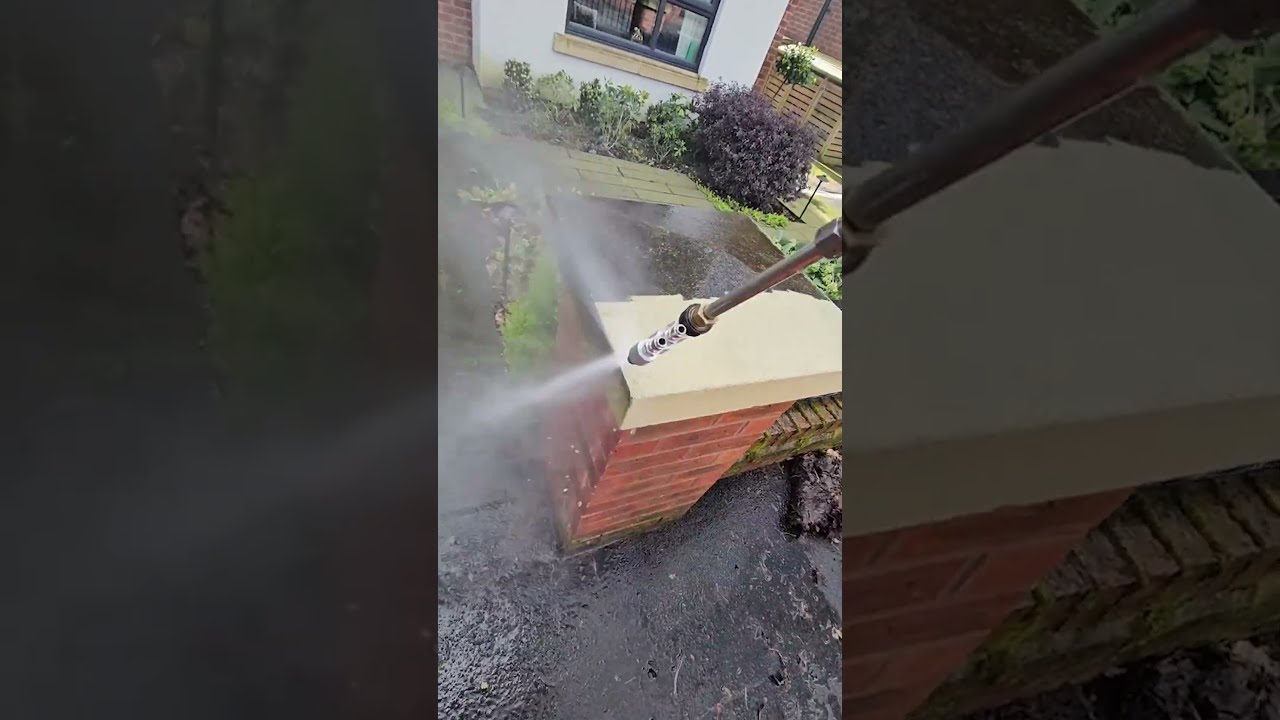
Concrete tolerates higher pressure and responds well to surface cleaners. Pre-treating oil stains with a degreaser reduces the water required to lift them.
Pavers and Natural Stone
Use moderate pressure and a surface cleaner to avoid etching or dislodging sand between joints. Re-sanding and sealing after cleaning helps keep dirt from penetrating, which reduces how often deep cleaning is needed in the future.
Roofs
Soft washing is generally the most water-efficient and least damaging choice. It also treats the underlying growth, which can slow regrowth and extend the time between cleans.
Timber Decks and Fences
Low pressure and a wide fan tip protect the wood grain. Applying a quality sealant or stain afterwards reduces moisture absorption and the speed at which mould returns.
Reducing How Often You Need to Clean
The most water-efficient clean is the one you do not need to do. Sealing concrete, pavers and timber creates a barrier that resists stains and growth. Trimming overhanging trees reduces leaf litter and tannin staining, improving airflow and sunlight in shaded areas can slow mould, and regular sweeping keeps buildup under control. These preventative steps make future cleans quicker and less water-intensive.

Choosing an Eco-Conscious Pressure Cleaning Provider
When hiring a local pressure cleaning service in Western Sydney, ask a few practical questions to confirm their approach to sustainability:
- Do they use water-efficient equipment such as surface cleaners and rotary nozzles?
- Do they offer soft washing for roofs and delicate surfaces?
- Do they use biodegradable cleaning products?
- How do they manage wastewater and prevent stormwater contamination?
- Are they fully insured and familiar with local council and NSW environmental requirements?
A reputable provider will be happy to explain their methods and tailor the approach to your property, its surfaces and your environmental priorities.
Looking Ahead
As water efficiency expectations continue to grow into 2027 and beyond, the pressure cleaning industry is steadily adopting better technology, from more efficient pumps and nozzles to improved water recovery systems and gentler cleaning chemistry. For Western Sydney property owners, choosing eco-friendly methods is a practical way to keep homes and businesses looking their best while using water responsibly.

Conclusion
Eco-friendly pressure cleaning is not about compromising on results. By combining the right equipment, smart technique, biodegradable products and proper wastewater management, it is possible to achieve a thorough clean while using significantly less water. Whether you are refreshing a driveway in Penrith, a roof in Castle Hill or a commercial forecourt in Blacktown, water-wise methods protect your property, your budget and the local environment.
Western Sydney Pressure Cleaning
Unit 2/1 Cowpasture Pl, Wetherill Park NSW 2164
(02) 9000 1596